Leader's Digest
We’ve attended 5 industry events this year. This is what the industry is talking about.
Published: Jan 31, 2024
5 Min Read
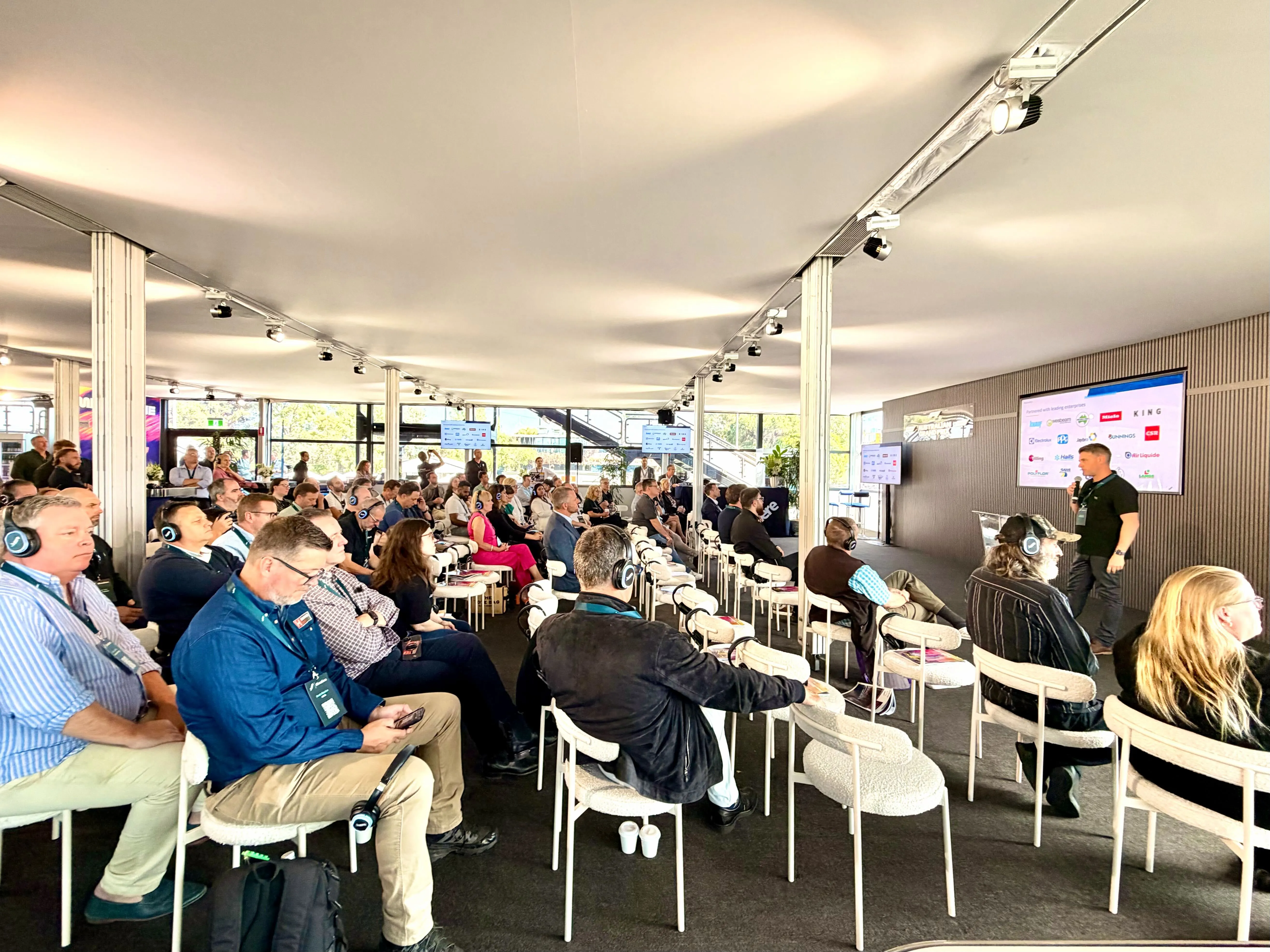
From Manifest in North America to CeMAT, FTMA and the Last Mile Delivery Conference, the RADARO team has spent the first half of 2026 attending industry events and speaking with leaders across manufacturing, retail, logistics, industrial and more.
We also partnered with HERE Technologies to support an event of our own, bringing together industry leaders for a discussion on the future of mobility, mapping, safety and transport.
While each event had a different audience, whether it was timber suppliers, last-mile operators, enterprise retailers, logistics providers or technology leaders, the same operational challenges and priorities surfaced again and again.
Here are the five themes dominating industry conversations in 2026.
1 - Everyone is being asked to deliver more for less
Customers continue to expect more.
They want more flexibility, greater visibility, narrower delivery windows, proactive communication and seamless service experiences.
At the same time, operators are facing mounting pressure from rising labour costs, increasing vehicle and fuel expenses, compliance requirements, driver shortages and growing operational complexity.
The challenge facing the industry is no longer simply how to reduce costs. It’s how to improve efficiency without compromising customer experience.
This was a major focus of discussion during the Last Mile Delivery Conference, where conversations repeatedly returned to the same question: How do you remove cost from the operation without removing value from the customer experience?
Our tip? Find ways to reduce manual processes, minimise exceptions, improve communication and provide greater visibility across operations.
2 - The speed race is over. Predictability is winning
For years, the industry has focused on getting deliveries faster. But across the events we attended, a different conversation kept emerging.
Customers don’t necessarily want the fastest delivery possible. They want certainty.
Recent industry research shows that 41% of consumers prioritise predictable delivery experiences, compared to just 22% who prioritise receiving their order as quickly as possible.
This shift matters because delivery costs continue to rise. We mentioned the obvious cost increases above, but operators are also managing the hidden costs of failed deliveries, redeliveries, WISMO enquiries, customer service intervention, delivery disputes and manual exception management. Individually these costs can appear insignificant, but at scale they quietly erode margins and create substantial operational overhead.
The businesses winning today aren’t always the fastest.
They’re the ones setting clear expectations and consistently meeting them.
Our tip? Focus on accurate ETAs, proactive communication and delivery transparency. Predictability reduces customer anxiety, lowers support costs and protects margins.
3 - Driver experience is catching up
For years, customer experience has dominated conversations around delivery innovation.
This year, we noticed a growing focus on something else: driver experience.
Across the events we attended, skilled labour shortages, operational complexity and workforce productivity were recurring discussion points. But the conversation has evolved beyond recruitment and retention.
Businesses are increasingly recognising that customer experience is built on driver experience.
If delivery schedules are unrealistic, workflows are clunky, and drivers lack the information they need to execute successfully, the impact is felt throughout the operation. Missed deliveries, poor customer interactions, compliance issues and delivery exceptions are often symptoms of poor driver experience.
Our tip? If you’re looking to improve customer experience, start by looking at driver experience. Better execution in the field creates better outcomes for customers.
4 - Safety & compliance are becoming cool?
Safety was a recurring theme throughout many of our conversations this year, but not in the way you might expect.
Rather than treating safety as a standalone compliance exercise, businesses are increasingly looking at how it can be built directly into everyday operations.
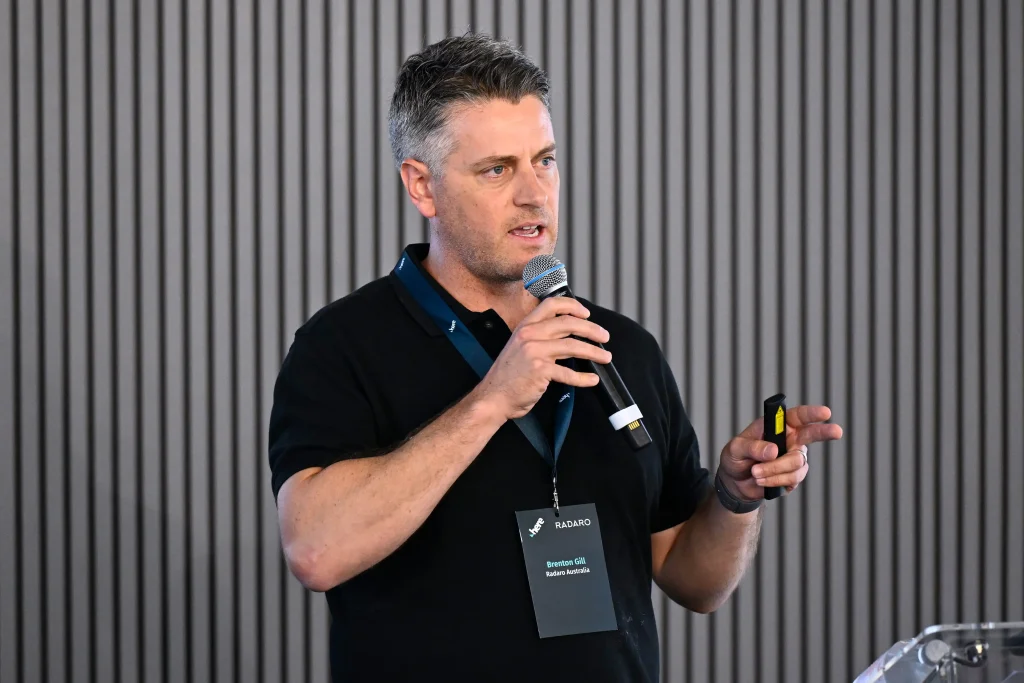
At our event with HERE Technologies, one idea resonated strongly: the most dangerous part of the delivery journey often isn’t the highway — it’s the point of handover.
The reality of the last mile is that drivers operate in unpredictable environments. They’re navigating busy schedules, unfamiliar locations, customer interactions, heavy goods, access challenges and changing site conditions, often while under pressure to remain efficient and on time.
Leading organisations are recognising that when safety and experience are built together, we don’t just reduce risk… we build trust. And over time, that trust becomes loyalty.”
Our tip? Don’t treat safety as a checklist completed at the end of a process. Design it into every stage of the delivery journey so the safest way to work is also the easiest way to work.
5 - Connected operations MUST replace disconnected systems
One of the most consistent themes across the events we attended was the growing need for connected operations.
As businesses scale, disconnected systems, spreadsheets and manual processes become increasingly difficult to manage. Teams spend more time chasing information, resolving exceptions and reconciling data than improving performance.
The businesses making the greatest progress are creating a single source of truth across planning, execution, customer communication and reporting. They are connecting people, processes and data to make faster decisions and respond to issues before things drift off track.
Our tip? Focus on eliminating information silos. The more connected your systems, teams and workflows become, the easier it is to improve everything mentioned above.
The bottom line
After five industry events and hundreds of conversations, the challenges facing delivery and logistics businesses are remarkably consistent. Whether it’s controlling costs, improving predictability, supporting drivers, strengthening compliance or connecting operations, the organisations making the greatest progress are those focused on digitisation and visibility.
Thank you to everyone we connected with at these events.
And as always, we’d love to hear what challenges and opportunities you’re seeing across your operation. Connect with the RADARO team via our website here, or join the conversation on LinkedIn.
From Manifest in North America to CeMAT, FTMA and the Last Mile Delivery Conference, the RADARO team has spent the first half of 2026 attending industry events and speaking with leaders across manufacturing, retail, logistics, industrial and more.
We also partnered with HERE Technologies to support an event of our own, bringing together industry leaders for a discussion on the future of mobility, mapping, safety and transport.
While each event had a different audience, whether it was timber suppliers, last-mile operators, enterprise retailers, logistics providers or technology leaders, the same operational challenges and priorities surfaced again and again.
Here are the five themes dominating industry conversations in 2026.
1 - Everyone is being asked to deliver more for less
Customers continue to expect more.
They want more flexibility, greater visibility, narrower delivery windows, proactive communication and seamless service experiences.
At the same time, operators are facing mounting pressure from rising labour costs, increasing vehicle and fuel expenses, compliance requirements, driver shortages and growing operational complexity.
The challenge facing the industry is no longer simply how to reduce costs. It’s how to improve efficiency without compromising customer experience.
This was a major focus of discussion during the Last Mile Delivery Conference, where conversations repeatedly returned to the same question: How do you remove cost from the operation without removing value from the customer experience?
Our tip? Find ways to reduce manual processes, minimise exceptions, improve communication and provide greater visibility across operations.
2 - The speed race is over. Predictability is winning
For years, the industry has focused on getting deliveries faster. But across the events we attended, a different conversation kept emerging.
Customers don’t necessarily want the fastest delivery possible. They want certainty.
Recent industry research shows that 41% of consumers prioritise predictable delivery experiences, compared to just 22% who prioritise receiving their order as quickly as possible.
This shift matters because delivery costs continue to rise. We mentioned the obvious cost increases above, but operators are also managing the hidden costs of failed deliveries, redeliveries, WISMO enquiries, customer service intervention, delivery disputes and manual exception management. Individually these costs can appear insignificant, but at scale they quietly erode margins and create substantial operational overhead.
The businesses winning today aren’t always the fastest.
They’re the ones setting clear expectations and consistently meeting them.
Our tip? Focus on accurate ETAs, proactive communication and delivery transparency. Predictability reduces customer anxiety, lowers support costs and protects margins.
3 - Driver experience is catching up
For years, customer experience has dominated conversations around delivery innovation.
This year, we noticed a growing focus on something else: driver experience.
Across the events we attended, skilled labour shortages, operational complexity and workforce productivity were recurring discussion points. But the conversation has evolved beyond recruitment and retention.
Businesses are increasingly recognising that customer experience is built on driver experience.
If delivery schedules are unrealistic, workflows are clunky, and drivers lack the information they need to execute successfully, the impact is felt throughout the operation. Missed deliveries, poor customer interactions, compliance issues and delivery exceptions are often symptoms of poor driver experience.
Our tip? If you’re looking to improve customer experience, start by looking at driver experience. Better execution in the field creates better outcomes for customers.
4 - Safety & compliance are becoming cool?
Safety was a recurring theme throughout many of our conversations this year, but not in the way you might expect.
Rather than treating safety as a standalone compliance exercise, businesses are increasingly looking at how it can be built directly into everyday operations.
At our event with HERE Technologies, one idea resonated strongly: the most dangerous part of the delivery journey often isn’t the highway — it’s the point of handover.
The reality of the last mile is that drivers operate in unpredictable environments. They’re navigating busy schedules, unfamiliar locations, customer interactions, heavy goods, access challenges and changing site conditions, often while under pressure to remain efficient and on time.
Leading organisations are recognising that when safety and experience are built together, we don’t just reduce risk… we build trust. And over time, that trust becomes loyalty.”
Our tip? Don’t treat safety as a checklist completed at the end of a process. Design it into every stage of the delivery journey so the safest way to work is also the easiest way to work.
5 - Connected operations MUST replace disconnected systems
One of the most consistent themes across the events we attended was the growing need for connected operations.
As businesses scale, disconnected systems, spreadsheets and manual processes become increasingly difficult to manage. Teams spend more time chasing information, resolving exceptions and reconciling data than improving performance.
The businesses making the greatest progress are creating a single source of truth across planning, execution, customer communication and reporting. They are connecting people, processes and data to make faster decisions and respond to issues before things drift off track.
Our tip? Focus on eliminating information silos. The more connected your systems, teams and workflows become, the easier it is to improve everything mentioned above.
The bottom line
After five industry events and hundreds of conversations, the challenges facing delivery and logistics businesses are remarkably consistent. Whether it’s controlling costs, improving predictability, supporting drivers, strengthening compliance or connecting operations, the organisations making the greatest progress are those focused on digitisation and visibility.
Thank you to everyone we connected with at these events.
And as always, we’d love to hear what challenges and opportunities you’re seeing across your operation. Connect with the RADARO team via our website here, or join the conversation on LinkedIn.
Subscribe to our Newsletter


Get Started with Radaro
Last mile delivery software designed for complex, real-world logistics.


From Manifest in North America to CeMAT, FTMA and the Last Mile Delivery Conference, the RADARO team has spent the first half of 2026 attending industry events and speaking with leaders across manufacturing, retail, logistics, industrial and more.
We also partnered with HERE Technologies to support an event of our own, bringing together industry leaders for a discussion on the future of mobility, mapping, safety and transport.
While each event had a different audience, whether it was timber suppliers, last-mile operators, enterprise retailers, logistics providers or technology leaders, the same operational challenges and priorities surfaced again and again.
Here are the five themes dominating industry conversations in 2026.
1 - Everyone is being asked to deliver more for less
Customers continue to expect more.
They want more flexibility, greater visibility, narrower delivery windows, proactive communication and seamless service experiences.
At the same time, operators are facing mounting pressure from rising labour costs, increasing vehicle and fuel expenses, compliance requirements, driver shortages and growing operational complexity.
The challenge facing the industry is no longer simply how to reduce costs. It’s how to improve efficiency without compromising customer experience.
This was a major focus of discussion during the Last Mile Delivery Conference, where conversations repeatedly returned to the same question: How do you remove cost from the operation without removing value from the customer experience?
Our tip? Find ways to reduce manual processes, minimise exceptions, improve communication and provide greater visibility across operations.
2 - The speed race is over. Predictability is winning
For years, the industry has focused on getting deliveries faster. But across the events we attended, a different conversation kept emerging.
Customers don’t necessarily want the fastest delivery possible. They want certainty.
Recent industry research shows that 41% of consumers prioritise predictable delivery experiences, compared to just 22% who prioritise receiving their order as quickly as possible.
This shift matters because delivery costs continue to rise. We mentioned the obvious cost increases above, but operators are also managing the hidden costs of failed deliveries, redeliveries, WISMO enquiries, customer service intervention, delivery disputes and manual exception management. Individually these costs can appear insignificant, but at scale they quietly erode margins and create substantial operational overhead.
The businesses winning today aren’t always the fastest.
They’re the ones setting clear expectations and consistently meeting them.
Our tip? Focus on accurate ETAs, proactive communication and delivery transparency. Predictability reduces customer anxiety, lowers support costs and protects margins.
3 - Driver experience is catching up
For years, customer experience has dominated conversations around delivery innovation.
This year, we noticed a growing focus on something else: driver experience.
Across the events we attended, skilled labour shortages, operational complexity and workforce productivity were recurring discussion points. But the conversation has evolved beyond recruitment and retention.
Businesses are increasingly recognising that customer experience is built on driver experience.
If delivery schedules are unrealistic, workflows are clunky, and drivers lack the information they need to execute successfully, the impact is felt throughout the operation. Missed deliveries, poor customer interactions, compliance issues and delivery exceptions are often symptoms of poor driver experience.
Our tip? If you’re looking to improve customer experience, start by looking at driver experience. Better execution in the field creates better outcomes for customers.
4 - Safety & compliance are becoming cool?
Safety was a recurring theme throughout many of our conversations this year, but not in the way you might expect.
Rather than treating safety as a standalone compliance exercise, businesses are increasingly looking at how it can be built directly into everyday operations.
At our event with HERE Technologies, one idea resonated strongly: the most dangerous part of the delivery journey often isn’t the highway — it’s the point of handover.
The reality of the last mile is that drivers operate in unpredictable environments. They’re navigating busy schedules, unfamiliar locations, customer interactions, heavy goods, access challenges and changing site conditions, often while under pressure to remain efficient and on time.
Leading organisations are recognising that when safety and experience are built together, we don’t just reduce risk… we build trust. And over time, that trust becomes loyalty.”
Our tip? Don’t treat safety as a checklist completed at the end of a process. Design it into every stage of the delivery journey so the safest way to work is also the easiest way to work.
5 - Connected operations MUST replace disconnected systems
One of the most consistent themes across the events we attended was the growing need for connected operations.
As businesses scale, disconnected systems, spreadsheets and manual processes become increasingly difficult to manage. Teams spend more time chasing information, resolving exceptions and reconciling data than improving performance.
The businesses making the greatest progress are creating a single source of truth across planning, execution, customer communication and reporting. They are connecting people, processes and data to make faster decisions and respond to issues before things drift off track.
Our tip? Focus on eliminating information silos. The more connected your systems, teams and workflows become, the easier it is to improve everything mentioned above.
The bottom line
After five industry events and hundreds of conversations, the challenges facing delivery and logistics businesses are remarkably consistent. Whether it’s controlling costs, improving predictability, supporting drivers, strengthening compliance or connecting operations, the organisations making the greatest progress are those focused on digitisation and visibility.
Thank you to everyone we connected with at these events.
And as always, we’d love to hear what challenges and opportunities you’re seeing across your operation. Connect with the RADARO team via our website here, or join the conversation on LinkedIn.
Subscribe to our Newsletter
Get Started with Radaro
Last mile delivery software designed for complex, real-world logistics.
Related Posts
Related Posts
Leader's Digest Insights


Take Control of Your Last Mile
Discover what Radaro can do for you



"/><stop offset="1" stop-color="rgba(114, 163, 190, 0)"/></linearGradient></defs><g d="M 72 37.3 L 96.4 37.3 C 98.6 37.3 100.4 35.7 100.6 33.5 C 100.8 31.3 101.2 27.1 101.2 22.2 C 101.2 17.3 101 14.4 100.7 12.1 C 100.4 9.8 98.7 8.4 96.5 8.4 L 72 8.4 L 72 37.2 Z M 80 30.3 L 77.3 30.3 L 77.3 4.9 L 80 4.9 Z M 71 5.1 C 71.552 5.1 72 5.548 72 6.1 L 72 37.6 C 72 38.152 71.552 38.6 71 38.6 L 1 38.6 C 0.448 38.6 0 38.152 0 37.6 L 0 6.1 C 0 5.548 0.448 5.1 1 5.1 Z M 97.5 37.1 L 5.2 37.1 L 5.2 27.3 L 100.5 27.3 L 100.5 34.1 C 100.5 35.8 99.2 37.1 97.5 37.1 Z M 79.5 31.7 L 99.4 31.7 C 101.6 31.7 103.4 30.1 103.6 27.9 C 103.8 25.7 104.2 21.5 104.2 16.6 C 104.2 12.1 104 8.8 103.7 6.5 C 103.4 4.2 101.7 2.8 99.5 2.8 L 79.5 2.8 L 79.5 31.6 Z M 88.7 28.2 L 94.3 29.3 L 102 30.8 C 101.3 31.3 100.4 31.7 99.4 31.7 L 79.5 31.7 L 79.5 28.2 Z M 76.4 1.2 C 76.952 1.2 77.4 1.648 77.4 2.2 L 77.4 31.9 C 77.4 32.452 76.952 32.9 76.4 32.9 L 6.4 32.9 C 5.848 32.9 5.4 32.452 5.4 31.9 L 5.4 2.2 C 5.4 1.648 5.848 1.2 6.4 1.2 Z M 76.9 32.7 L 5.7 32.7 L 5.7 31.1 L 76.9 31.1 Z M 76.4 1.2 C 76.952 1.2 77.4 1.648 77.4 2.2 L 77.4 31.9 C 77.4 32.452 76.952 32.9 76.4 32.9 L 6.4 32.9 C 5.848 32.9 5.4 32.452 5.4 31.9 L 5.4 2.2 C 5.4 1.648 5.848 1.2 6.4 1.2 Z M 89.3 5.4 C 89 5.4 88.9 5.7 89 6 C 89.5 7.4 91 11.9 91 17.1 C 91 22.3 89.6 26.5 89 27.9 C 88.4 29.3 89 28.4 89.3 28.5 L 93.9 29.2 C 94.3 29.2 94.7 29 94.8 28.7 C 95.4 27.2 96.9 22.9 96.9 17 C 96.9 11.1 95.4 6.7 94.7 5.2 C 94 3.7 94.2 4.6 93.8 4.7 L 89.2 5.5 Z M 85.7 5.1 L 82.1 5.1 C 81.8 5.1 81.6 4.9 81.6 4.6 L 81.6 4.4 C 81.6 4.1 81.8 3.9 82.1 3.9 L 91.9 3.9 L 86.8 5 C 86.4 5 86.1 5.1 85.7 5.1 Z M 85.6 29.2 L 81.9 29.2 C 81.7 29.2 81.5 29.4 81.5 29.6 L 81.5 30 C 81.5 30.2 81.7 30.4 81.9 30.4 L 91.8 30.4 L 86.7 29.3 C 86.3 29.3 85.9 29.2 85.6 29.2 Z M 104.2 16.9 C 104.2 20 104.1 22.6 103.9 24.8 C 103.2 24.7 102.8 24.1 102.8 23.4 L 102.8 11.1 C 102.8 10.4 103.3 9.8 103.9 9.7 C 104 11.6 104.1 14 104.1 16.9 Z M 99.6 3.3 L 100.2 2.9 C 102 3.2 103.5 4.7 103.7 6.6 L 103.7 7 C 103.4 7.2 103.1 7.1 103 7 C 102.7 6.2 101.8 4.8 99.6 4.1 C 99.3 4.1 99.3 3.6 99.6 3.4 Z M 99.6 31.1 L 100.2 31.5 C 102 31.2 103.5 29.7 103.7 27.8 L 103.7 27.4 C 103.4 27.2 103.1 27.3 103 27.4 C 102.7 28.2 101.8 29.6 99.6 30.3 C 99.3 30.3 99.3 30.8 99.6 31 Z M 89.7 2.8 L 88.4 1 C 88.3 0.8 88.4 0.6 88.5 0.4 L 89.1 0 C 89.5 0 89.9 0.2 90.2 0.6 L 90.6 1.2 C 90.9 1.6 91 2.1 91 2.5 L 91 3.7 L 89.7 3.7 L 89.7 2.7 Z M 89.7 31.4 L 88.4 33.2 C 88.3 33.4 88.4 33.6 88.5 33.8 L 89.1 34.2 C 89.5 34.2 89.9 34 90.2 33.6 L 90.6 33 C 90.9 32.6 91 32.1 91 31.7 L 91 30.5 L 89.7 30.5 L 89.7 31.5 Z" fill="transparent" height="38.599999904632575px" id="LuoQ0xnNj" width="104.20000000000002px"><g d="M 72 37.3 L 96.4 37.3 C 98.6 37.3 100.4 35.7 100.6 33.5 C 100.8 31.3 101.2 27.1 101.2 22.2 C 101.2 17.3 101 14.4 100.7 12.1 C 100.4 9.8 98.7 8.4 96.5 8.4 L 72 8.4 L 72 37.2 Z M 80 30.3 L 77.3 30.3 L 77.3 4.9 L 80 4.9 Z M 71 5.1 C 71.552 5.1 72 5.548 72 6.1 L 72 37.6 C 72 38.152 71.552 38.6 71 38.6 L 1 38.6 C 0.448 38.6 0 38.152 0 37.6 L 0 6.1 C 0 5.548 0.448 5.1 1 5.1 Z M 97.5 37.1 L 5.2 37.1 L 5.2 27.3 L 100.5 27.3 L 100.5 34.1 C 100.5 35.8 99.2 37.1 97.5 37.1 Z M 79.5 31.7 L 99.4 31.7 C 101.6 31.7 103.4 30.1 103.6 27.9 C 103.8 25.7 104.2 21.5 104.2 16.6 C 104.2 12.1 104 8.8 103.7 6.5 C 103.4 4.2 101.7 2.8 99.5 2.8 L 79.5 2.8 L 79.5 31.6 Z M 88.7 28.2 L 94.3 29.3 L 102 30.8 C 101.3 31.3 100.4 31.7 99.4 31.7 L 79.5 31.7 L 79.5 28.2 Z M 76.4 1.2 C 76.952 1.2 77.4 1.648 77.4 2.2 L 77.4 31.9 C 77.4 32.452 76.952 32.9 76.4 32.9 L 6.4 32.9 C 5.848 32.9 5.4 32.452 5.4 31.9 L 5.4 2.2 C 5.4 1.648 5.848 1.2 6.4 1.2 Z M 76.9 32.7 L 5.7 32.7 L 5.7 31.1 L 76.9 31.1 Z M 76.4 1.2 C 76.952 1.2 77.4 1.648 77.4 2.2 L 77.4 31.9 C 77.4 32.452 76.952 32.9 76.4 32.9 L 6.4 32.9 C 5.848 32.9 5.4 32.452 5.4 31.9 L 5.4 2.2 C 5.4 1.648 5.848 1.2 6.4 1.2 Z M 89.3 5.4 C 89 5.4 88.9 5.7 89 6 C 89.5 7.4 91 11.9 91 17.1 C 91 22.3 89.6 26.5 89 27.9 C 88.4 29.3 89 28.4 89.3 28.5 L 93.9 29.2 C 94.3 29.2 94.7 29 94.8 28.7 C 95.4 27.2 96.9 22.9 96.9 17 C 96.9 11.1 95.4 6.7 94.7 5.2 C 94 3.7 94.2 4.6 93.8 4.7 L 89.2 5.5 Z M 85.7 5.1 L 82.1 5.1 C 81.8 5.1 81.6 4.9 81.6 4.6 L 81.6 4.4 C 81.6 4.1 81.8 3.9 82.1 3.9 L 91.9 3.9 L 86.8 5 C 86.4 5 86.1 5.1 85.7 5.1 Z M 85.6 29.2 L 81.9 29.2 C 81.7 29.2 81.5 29.4 81.5 29.6 L 81.5 30 C 81.5 30.2 81.7 30.4 81.9 30.4 L 91.8 30.4 L 86.7 29.3 C 86.3 29.3 85.9 29.2 85.6 29.2 Z M 104.2 16.9 C 104.2 20 104.1 22.6 103.9 24.8 C 103.2 24.7 102.8 24.1 102.8 23.4 L 102.8 11.1 C 102.8 10.4 103.3 9.8 103.9 9.7 C 104 11.6 104.1 14 104.1 16.9 Z M 99.6 3.3 L 100.2 2.9 C 102 3.2 103.5 4.7 103.7 6.6 L 103.7 7 C 103.4 7.2 103.1 7.1 103 7 C 102.7 6.2 101.8 4.8 99.6 4.1 C 99.3 4.1 99.3 3.6 99.6 3.4 Z M 99.6 31.1 L 100.2 31.5 C 102 31.2 103.5 29.7 103.7 27.8 L 103.7 27.4 C 103.4 27.2 103.1 27.3 103 27.4 C 102.7 28.2 101.8 29.6 99.6 30.3 C 99.3 30.3 99.3 30.8 99.6 31 Z M 89.7 2.8 L 88.4 1 C 88.3 0.8 88.4 0.6 88.5 0.4 L 89.1 0 C 89.5 0 89.9 0.2 90.2 0.6 L 90.6 1.2 C 90.9 1.6 91 2.1 91 2.5 L 91 3.7 L 89.7 3.7 L 89.7 2.7 Z M 89.7 31.4 L 88.4 33.2 C 88.3 33.4 88.4 33.6 88.5 33.8 L 89.1 34.2 C 89.5 34.2 89.9 34 90.2 33.6 L 90.6 33 C 90.9 32.6 91 32.1 91 31.7 L 91 30.5 L 89.7 30.5 L 89.7 31.5 Z" fill="transparent" height="38.599999904632575px" id="zezgG8Y1q" width="104.20000000000002px"><g opacity="0.4"><path d="M 0 28.9 L 24.4 28.9 C 26.6 28.9 28.4 27.3 28.6 25.1 C 28.8 22.9 29.2 18.7 29.2 13.8 C 29.2 8.9 29 6 28.7 3.7 C 28.4 1.4 26.7 0 24.5 0 L 0 0 L 0 28.8 Z" fill="rgb(215, 227, 232)" height="28.900000000000006px" id="m6px2y2al" transform="translate(72 8.4)" width="29.19999999999999px"/></g><path d="M 2.7 25.4 L 0 25.4 L 0 0 L 2.7 0 Z" fill="rgb(7, 64, 89)" height="25.4px" id="cyMhIGwIO" transform="translate(77.3 4.9)" width="2.700000000000017px"/><g opacity="0.4"><path d="M 71 0 C 71.552 0 72 0.448 72 1 L 72 32.5 C 72 33.052 71.552 33.5 71 33.5 L 1 33.5 C 0.448 33.5 0 33.052 0 32.5 L 0 1 C 0 0.448 0.448 0 1 0 Z" fill="rgb(215, 227, 232)" height="33.50000000000001px" id="V9wSu3WkR" transform="translate(0 5.1)" width="72px"/></g><g opacity="0.8"><path d="M 92.3 9.8 L 0 9.8 L 0 0 L 95.3 0 L 95.3 6.8 C 95.3 8.5 94 9.8 92.3 9.8 Z" fill="url(%23NPpo5c7u7-389490388-linear-gradient)" height="9.800000000000011px" id="NPpo5c7u7" transform="translate(5.2 27.3)" width="95.29999999999998px"/></g><path d="M 0 28.9 L 19.9 28.9 C 22.1 28.9 23.9 27.3 24.1 25.1 C 24.3 22.9 24.7 18.7 24.7 13.8 C 24.7 9.3 24.5 6 24.2 3.7 C 23.9 1.4 22.2 0 20 0 L 0 0 L 0 28.8 Z" fill="rgb(215, 227, 232)" height="28.9px" id="QiYhvoPI2" transform="translate(79.5 2.8)" width="24.700000000000017px"/><g opacity="0.4"><path d="M 9.2 0 L 14.8 1.1 L 22.5 2.6 C 21.8 3.1 20.9 3.5 19.9 3.5 L 0 3.5 L 0 0 Z" fill="rgb(114, 163, 190)" height="3.5px" id="iw09x_5cV" transform="translate(79.5 28.2)" width="22.5px"/></g><path d="M 71 0 C 71.552 0 72 0.448 72 1 L 72 30.7 C 72 31.252 71.552 31.7 71 31.7 L 1 31.7 C 0.448 31.7 0 31.252 0 30.7 L 0 1 C 0 0.448 0.448 0 1 0 Z" fill="rgb(249, 250, 252)" height="31.70000000000001px" id="enHG0Xv5x" transform="translate(5.4 1.2)" width="71.99999999999999px"/><g opacity="0.4"><path d="M 71.2 1.6 L 0 1.6 L 0 0 L 71.2 0 Z" fill="rgb(114, 163, 190)" height="1.6000000000000156px" id="nNlyDyI8O" transform="translate(5.7 31.1)" width="71.20000000000002px"/></g><path d="M 71 0 C 71.552 0 72 0.448 72 1 L 72 30.7 C 72 31.252 71.552 31.7 71 31.7 L 1 31.7 C 0.448 31.7 0 31.252 0 30.7 L 0 1 C 0 0.448 0.448 0 1 0 Z" fill="transparent" height="31.70000000000001px" id="fXaCrMspo" stroke-dasharray="" stroke-linecap="butt" stroke-linejoin="miter" stroke-miterlimit="10" stroke-width="1" stroke="rgb(215, 227, 232)" transform="translate(5.4 1.2)" width="71.99999999999999px"/><path d="M 7.8 1.5 C 7.5 1.5 7.4 1.8 7.5 2.1 C 8 3.5 9.5 8 9.5 13.2 C 9.5 18.4 8.1 22.6 7.5 24 C 6.9 25.4 7.5 24.5 7.8 24.6 L 12.4 25.3 C 12.8 25.3 13.2 25.1 13.3 24.8 C 13.9 23.3 15.4 19 15.4 13.1 C 15.4 7.2 13.9 2.8 13.2 1.3 C 12.5 -0.2 12.7 0.7 12.3 0.8 L 7.7 1.6 Z M 4.2 1.2 L 0.6 1.2 C 0.3 1.2 0.1 1 0.1 0.7 L 0.1 0.5 C 0.1 0.2 0.3 0 0.6 0 L 10.4 0 L 5.3 1.1 C 4.9 1.1 4.6 1.2 4.2 1.2 Z M 4.1 25.3 L 0.4 25.3 C 0.2 25.3 0 25.5 0 25.7 L 0 26.1 C 0 26.3 0.2 26.5 0.4 26.5 L 10.3 26.5 L 5.2 25.4 C 4.8 25.4 4.4 25.3 4.1 25.3 Z M 22.7 13 C 22.7 16.1 22.6 18.7 22.4 20.9 C 21.7 20.8 21.3 20.2 21.3 19.5 L 21.3 7.2 C 21.3 6.5 21.8 5.9 22.4 5.8 C 22.5 7.7 22.6 10.1 22.6 13 Z" fill="rgb(7, 64, 89)" height="26.499999237060543px" id="zg2puoduN" transform="translate(81.5 3.9)" width="22.699999237060524px"/><path d="M 0.225 0.4 L 0.825 0 C 2.625 0.3 4.125 1.8 4.325 3.7 L 4.325 4.1 C 4.025 4.3 3.725 4.2 3.625 4.1 C 3.325 3.3 2.425 1.9 0.225 1.2 C -0.075 1.2 -0.075 0.7 0.225 0.5 Z M 0.225 28.2 L 0.825 28.6 C 2.625 28.3 4.125 26.8 4.325 24.9 L 4.325 24.5 C 4.025 24.3 3.725 24.4 3.625 24.5 C 3.325 25.3 2.425 26.7 0.225 27.4 C -0.075 27.4 -0.075 27.9 0.225 28.1 Z" fill="rgb(255, 184, 41)" height="28.599999167607464px" id="yJQ3TgwJ6" transform="translate(99.375 2.9)" width="4.325000000000017px"/><path d="M 1.341 2.8 L 0.041 1 C -0.059 0.8 0.041 0.6 0.141 0.4 L 0.741 0 C 1.141 0 1.541 0.2 1.841 0.6 L 2.241 1.2 C 2.541 1.6 2.641 2.1 2.641 2.5 L 2.641 3.7 L 1.341 3.7 L 1.341 2.7 Z M 1.341 31.4 L 0.041 33.2 C -0.059 33.4 0.041 33.6 0.141 33.8 L 0.741 34.2 C 1.141 34.2 1.541 34 1.841 33.6 L 2.241 33 C 2.541 32.6 2.641 32.1 2.641 31.7 L 2.641 30.5 L 1.341 30.5 L 1.341 31.5 Z" fill="rgb(7, 64, 89)" height="34.2px" id="QzqBzedlz" transform="translate(88.359 0)" width="2.6414213562373448px"/></g></g></svg>)

Radaro is the intelligent delivery management platform built for complex, real-world supply chains.
Deliver Better At Every Mile.
Company
Radaro © 2026. All rights reserved.
Take Control of Your Last Mile
Discover what Radaro can do for you
Radaro is the intelligent delivery management platform built for complex, real-world supply chains.
Deliver Better At Every Mile.
Company
Radaro © 2026. All rights reserved.
Take Control of Your Last Mile
Discover what Radaro can do for you
Radaro is the intelligent delivery management platform built for complex, real-world supply chains.
Deliver Better At Every Mile.
Radaro © 2026. All rights reserved.
Take Control of Your Last Mile
Discover what Radaro can do for you
Radaro is the intelligent delivery management platform built for complex, real-world supply chains.
Deliver Better At Every Mile.
Company
Radaro © 2026. All rights reserved.
